
Why Furniture Repair Differs for Tasmanian and Imported Timber
 05Aug, 2026
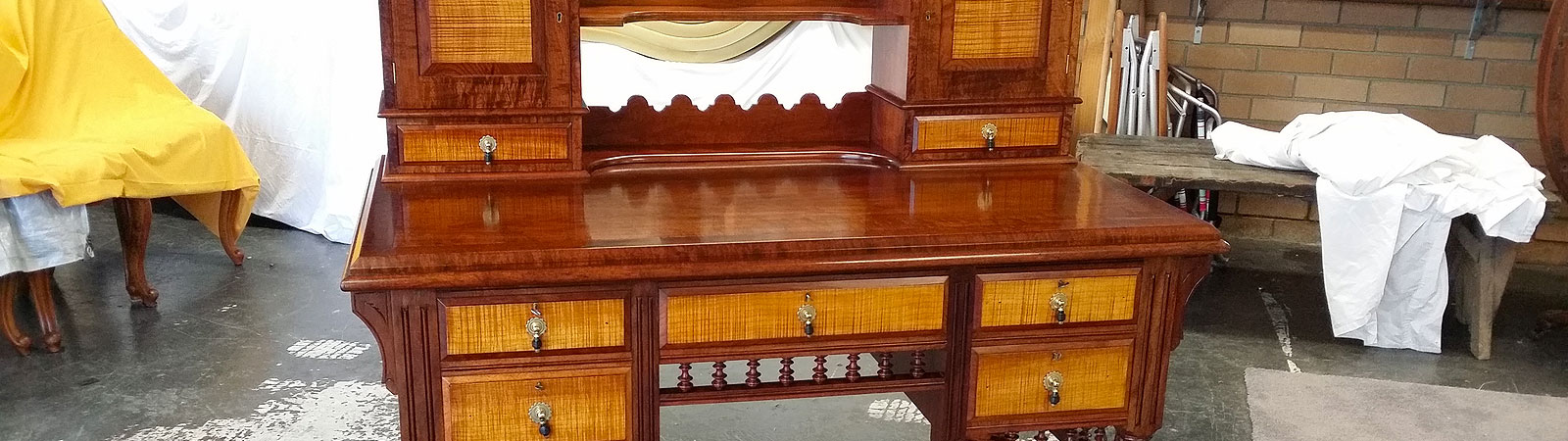
Furniture made from Tasmanian timber often deserves a different approach than those built from imported wood. Local species have unique grain patterns, density and finishing characteristics. That is why furniture repair methods must always match the timber being restored. For homeowners in Hobart, this helps protect their appearance and durability. Read on to know how.
Native Timbers Aren’t All the Same
Tasmania produces many well-known furniture timbers. Each has its own grain, density and natural colours. This means that each one responds differently during repairs. Some common examples are:
• Blackwood: Dark, rich and fine-grained. They are dense and highly valued.
• Myrtle: Smooth with warm pink and red tones. They show scratches easily.
• Tasmanian Oak: Strong, reliable and widely used for tables, cabinets and chairs.
• Pine: Softer than hardwoods. Easier to dent but simpler to shape and sand.
Imported timbers often have different growth patterns. Many are less dense or finished differently before they reach Australia.
The Right Adhesive Makes a Difference
Choosing the wrong adhesive creates weak joints or visible glue lines. Dense timbers like Blackwood and Myrtle do not absorb adhesive as easily as softer woods. They need stronger wood glues with good bonding strength.
Pine behaves differently. It absorbs glue faster. Too much adhesive may soak into the fibres in this case. It can leave visible marks after finishing. Professional furniture repair takes these differences into account. The right adhesive creates stronger joints. It also helps the timber move naturally as humidity changes throughout the year.
Why Should Fillers Match the Timber?
Small cracks and dents cannot always be repaired with standard wood fillers. Tasmanian hardwoods have distinct grain patterns. A poorly matched filler becomes obvious once the surface is polished. Repairers use:
• Colour matched timber fillers for minor damage
• Resin mixed with sanding dust for better colour blend
• Small timber inserts when large sections need replacing
The goal is simple. The repair should blend into the surrounding timber, rather than draw attention.
How Refinishing Affects Different Species?
Sanding is part of the process. Blackwood develops a deep, rich finish when treated correctly. Over sanding it can remove some of its natural character. Myrtle needs careful finishing to preserve its warm colour. Tasmanian Oak accepts many finishes well.
The best results usually come from products that enhance the natural grain rather than hide it. Many imported timbers have factory coatings. Removing these coats often requires a completely different approach before refinishing can begin. This is another reason why expert furniture repair yields better results than using the same method across all types of timber.
Hobart's Climate Plays a Role, Too
Timber constantly reacts to moisture. Hobart’s changing seasons can cause wood to expand and contract over time. Older Tasmanian hardwoods have adjusted to these local conditions. Imported wood responds differently because they were grown and dried in another climate. A skilled repairer considers moisture movement before starting any repair. This helps prevent future cracks or loose joints.
Every timber tells a different story. Blackwood, Myrtle, Tasmanian Oak and Pine all need their own repair techniques. For Hobart homeowners, professional furniture repair preserves the strength, beauty and character of locally crafted furniture for years to come.
We at Adam’s Furniture are the perfect choice for those who want to give their decor a fresh look. We have been providing the highest-quality furniture refinishing and upholstery for 34 years. Our professionals give new life to your chosen piece by removing worn-out existing fabric and replacing it with high-quality fabrics that suit your personality. Choose us and see the difference we make. Stay tuned to our blog page for more.
Popular Blogs
-

Common Leather Couch Problems That Can B...
01 Oct, 2026 -

Why Matching Timber Colour Is Harder Tha...
02 Sep, 2026 -

Is It Expensive To Reupholster Furniture...
06 Jul, 2026 -

How Professional Dining Chair Recover Re...
12 Jun, 2026 -

Types of Dining Chairs You Can Recover
30 Apr, 2026 -

How To Understand If An Antique Furnitur...
20 Mar, 2026
Post a Comment